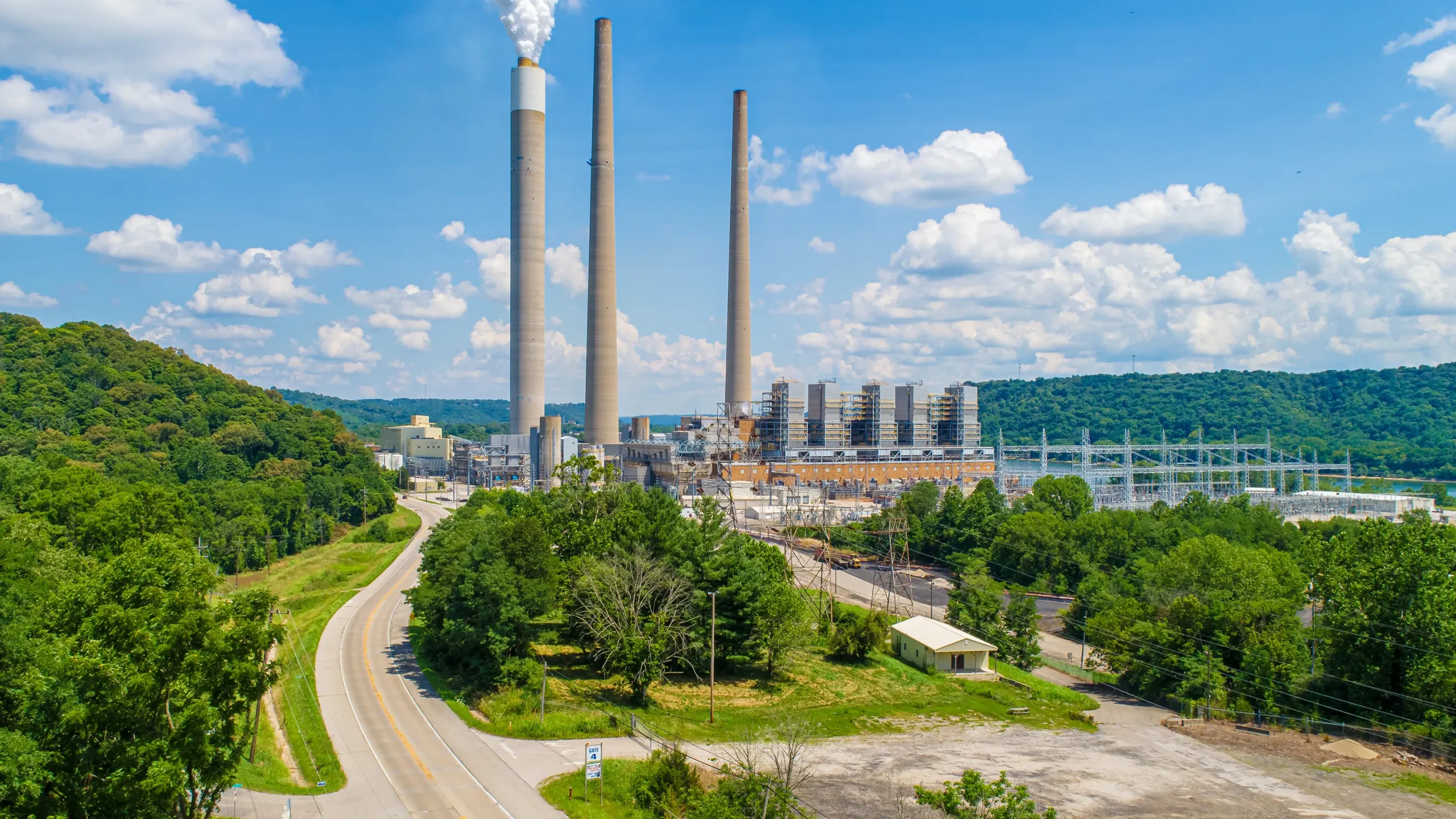
The global energy transition faces an unexpected hurdle as the U.S.-Iran conflict disrupts LNG supplies through the Strait of Hormuz. Surging gas prices have rendered coal more competitive, forcing the IEA to revise its forecasts. Instead of the anticipated decline in coal-fired generation, utilities are increasingly relying on coal to meet rising demand, particularly when intermittent renewable sources fall short.
China and India remain the central pillars of this reliance, with coal accounting for 55% and 71% of their respective electricity mixes. Despite record-breaking investments in clean energy, these nations are grappling with explosive demand growth. Consequently, new wind and solar capacity is being absorbed primarily to fuel economic expansion rather than to displace existing fossil fuel infrastructure. With global electricity consumption projected to climb another 3.8% in 2027, the IEA anticipates that coal will hold its position as the world's largest individual power source through at least 2030, with annual generation declining by less than 1%.



Comments (0)
No comments yet. Be the first!