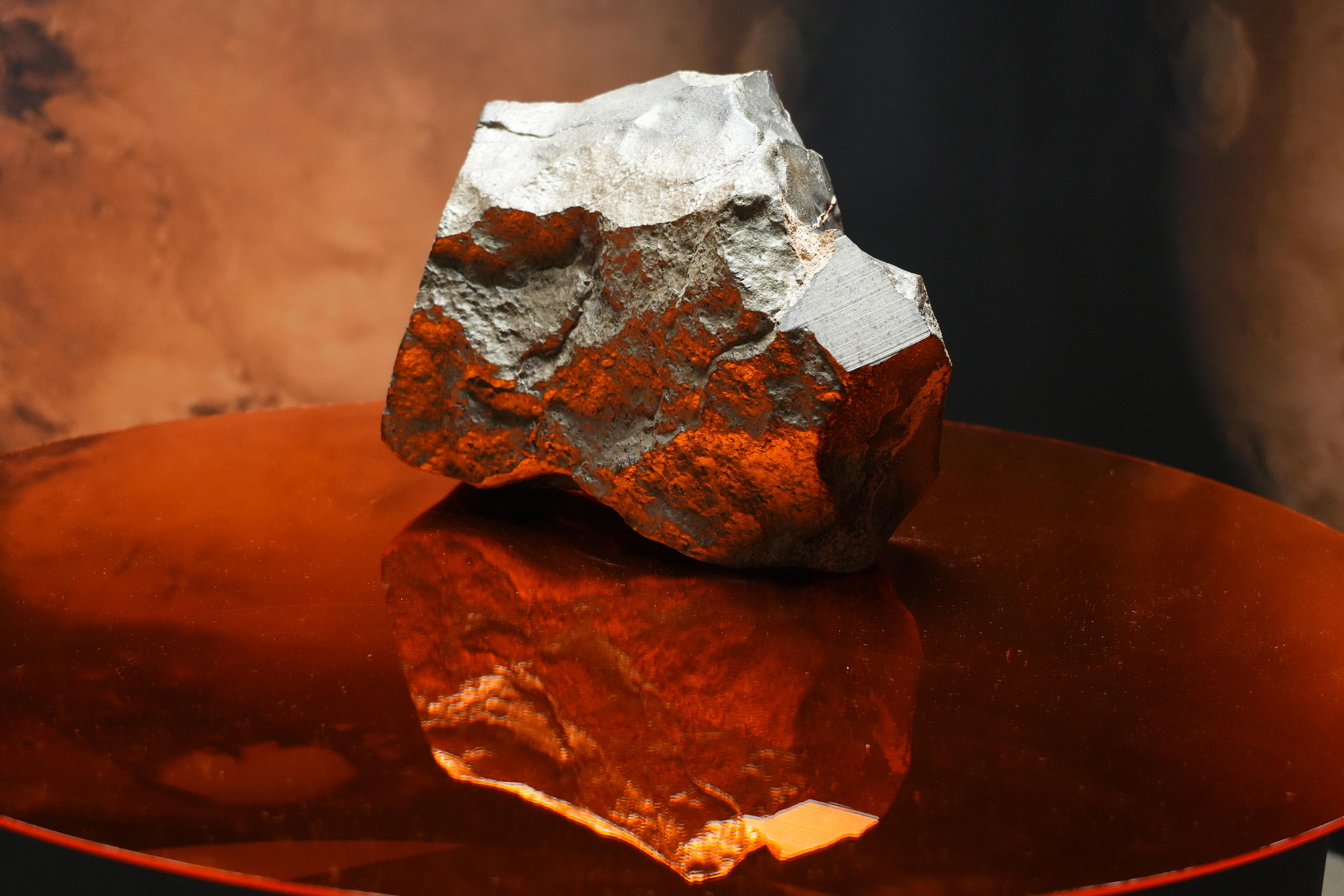
Most Martian meteorites reaching Earth belong to the shergottite group, which are typically younger than 600 million years. This discovery fills a significant gap between these younger rocks and the much older 2.4-billion-year samples currently in the research record. By using high-precision isotopic techniques, Dr. Robert "Willie" Nicklas of the Lunar and Planetary Institute and lead author Dylan Seal identified the sample as originating from a pristine, previously unsampled source on Mars.
Seal and his team, which included researchers from Boston College and the Scripps Institution of Oceanography, noted that the meteorite's chondritic initial isotope composition offers new boundaries for understanding how Mars formed. Because the planet lacks plate tectonics, its early-formed compositions remain largely undisturbed. This specific sample provides evidence of geological activity during a period that has long challenged planetary scientists, with further research expected to continue as Seal transitions to a postdoctoral fellowship at the Carnegie Institution.


Comments (0)
No comments yet. Be the first!