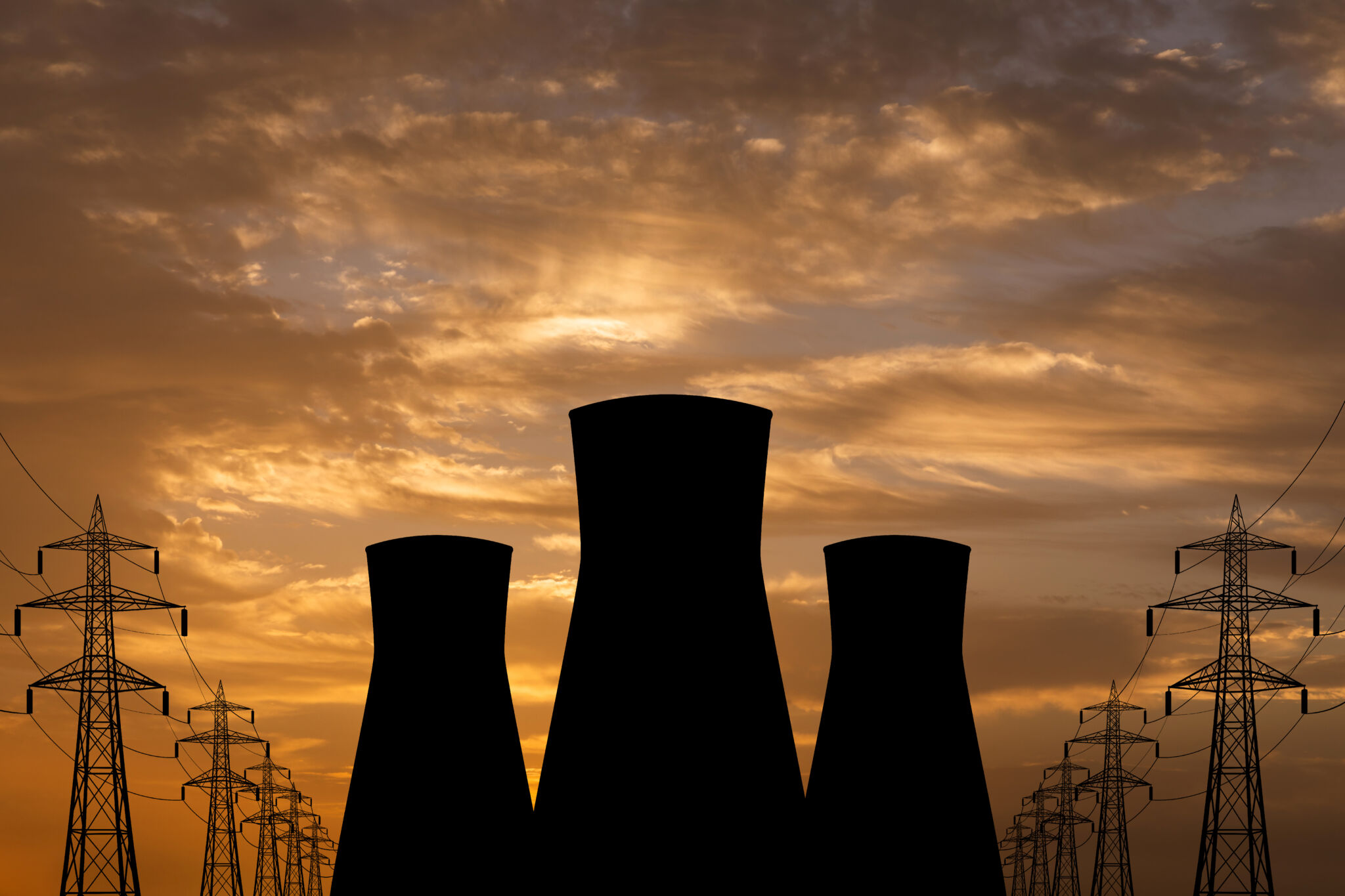
The crisis recently centered on Hungary’s Paks nuclear power plant, which was forced to reduce output to just over 10 percent of its capacity. This narrow escape from a total shutdown—which would have stripped 40 percent of the country’s electricity supply—triggered a regional price spike to €500 per megawatt-hour. Similar constraints emerged in France, where the grid operator, RTE, was forced to scale back production during peak heat to maintain safe operating temperatures. While some analysts argue these disruptions reflect regulatory constraints rather than inherent technological failure, the market impact remains severe.
Energy policy experts warn that the status quo is increasingly untenable. Zsuzsanna Pató of the Regulatory Assistance Project emphasizes that grid planning must now treat extreme heat as a permanent fixture of the European climate. With air conditioning becoming a life-saving necessity rather than a luxury—preventing an estimated 190,000 heat-related deaths annually—utilities are under pressure to overhaul their infrastructure. According to Simone Tagliapietra of the think tank Bruegel, the path forward requires climate-proofing cooling systems, reinforcing power grids, and increasing the deployment of battery storage to manage the volatility of a warming continent.


Comments (0)
No comments yet. Be the first!